Acne can cause both physical symptoms and emotional distress. Knowing the treatment options available in Las Vegas helps you choose a plan that restores clear, healthy skin. This overview explains topical therapies, oral medications and advanced dermatological procedures, outlines lifestyle measures, and sets expectations for the treatment process so you can make informed decisions with your dermatologist.

Topicals are central to acne care because they act directly on the skin. They reduce inflammation, unclog pores and target Propionibacterium acnes (Cutibacterium acnes) to limit breakouts. Prescription formulations—containing agents such as benzoyl peroxide, salicylic acid and topical retinoids—are commonly used to control lesions and improve skin texture.
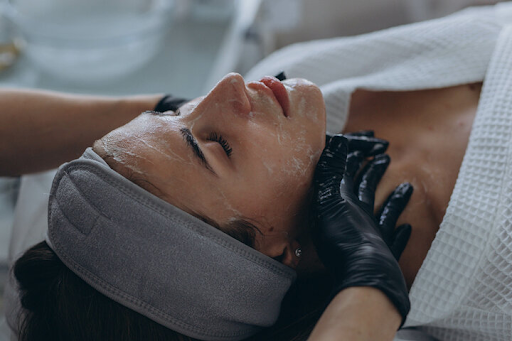
Chemical peels apply a controlled exfoliant to the skin to remove dead cells, decrease acne lesions and even skin tone. Peels can be selected for your specific concerns and integrated into a broader acne management plan. The effectiveness of different chemical peels is tailored to individual skin needs.
Responses to acne therapy vary by skin type, acne severity and medical history. A personalised plan that considers these factors allows your dermatologist to optimize topical choices and other interventions for the best possible outcome.
Oral agents are often used alongside topicals for moderate to severe acne. They address deeper contributors to breakouts, including hormonal drivers and systemic inflammation, and are chosen based on the underlying cause and treatment goals.
Common oral options include antibiotics to reduce acne-related bacteria, hormonal therapies such as combined oral contraceptives to stabilise hormone-driven breakouts, and isotretinoin for severe, recalcitrant acne. Isotretinoin is a potent medication that can produce substantial clearing but requires specialist supervision.
When acne is persistent or scarring risk is high, in‑clinic procedures can accelerate improvement. These advanced techniques often deliver faster and more consistent results than home care alone and may include laser treatments and lesion drainage when appropriate.

Laser therapy delivers targeted light to reduce inflammation and lower bacterial counts in the skin. This can speed clearance of active lesions and improve texture; most patients require multiple sessions to reach their goals.
Procedures such as microneedling and lesion drainage stimulate collagen production and aid in scar and texture improvement. These minimally invasive options complement other treatments to enhance overall skin quality.
Medical treatments are essential, but lifestyle measures also influence acne control. Dietary choices, stress reduction and a consistent skincare routine support medical therapy and improve outcomes.
A diet emphasizing whole foods, antioxidants and omega‑3 fatty acids supports skin health. Reducing processed sugars and, for some individuals, dairy may lessen breakouts—discuss dietary changes with your dermatologist to suit your situation.
Stress can trigger hormonal shifts that worsen acne. Practices such as yoga, meditation and ensuring adequate sleep help regulate those responses and reduce stress‑related flare‑ups.
Your initial consultation will evaluate acne type and severity and produce a customized plan. Expect a discussion of topical and oral options and, if indicated, procedural choices aligned with your goals and lifestyle.
Improvement timelines vary, but many patients notice changes within several weeks. Adherence to the prescribed regimen and regular follow‑up visits increase the likelihood of a successful outcome.
Clinics in Las Vegas offer a range of effective treatments tailored to skin type and acne severity. Typical options include prescription topicals, systemic medications, hormonal therapies and device‑based treatments such as lasers and light therapy.
Selecting the right option is key to achieving clearer skin and sustained improvement.
Dermatologists personalise care by assessing multiple factors to match therapies to your needs. That tailored approach reduces side effects and targets the causes specific to your acne.
At Couture Dermatology you can access advanced modalities designed to treat active acne and address post‑acne changes. These options are integrated into personalised plans to achieve natural‑looking results.
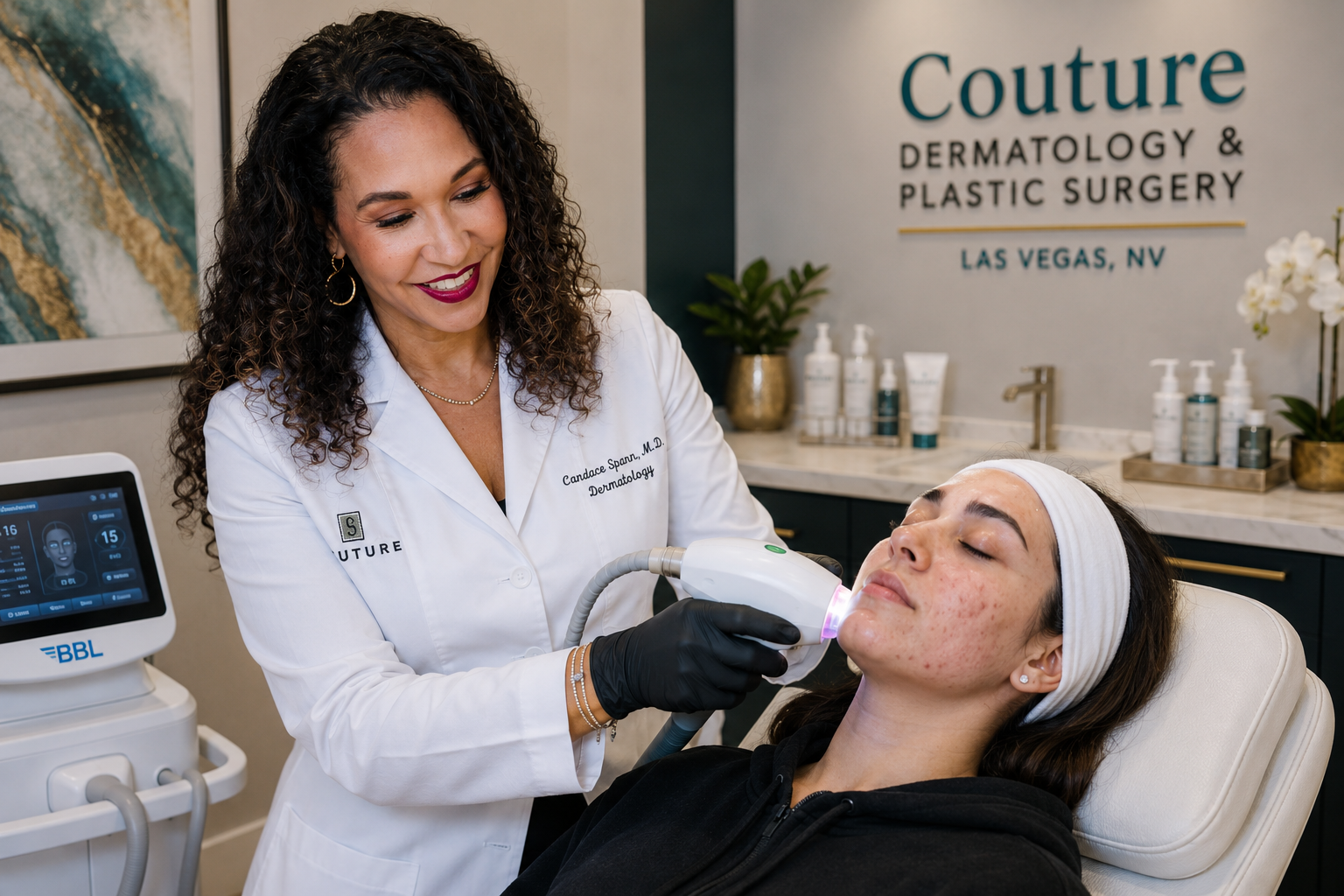
Laser treatments deliver focused light beneath the skin to reduce acne‑related bacteria and inflammation. After several sessions most patients see measurable improvement, and recovery is generally brief so you can return to normal activities quickly.
Laser therapy supports skin healing and has a favorable safety profile when performed by trained clinicians. Benefits include reduced inflammation, accelerated lesion resolution and minimal side effects for most patients.
Recovery is usually quick; minor redness commonly subsides within a day or two. Many patients require approximately 3–5 sessions, spaced several weeks apart, to achieve optimal results.
Chemical peels assist both active acne management and scar improvement by exfoliating the surface and promoting more even skin tone and texture when performed in a series.
Peels with salicylic or glycolic acid are frequently effective for acne. The best choice depends on your skin type, sensitivity and treatment goals, which your dermatologist will evaluate.
After a course of peels you can expect reduced lesions and improved clarity. Follow post‑procedure guidance—avoid sun exposure, use gentle cleansers and moisturisers—to support healing and maintain results.
Scar treatments can noticeably reduce the visibility of textural and pigmentary changes left by acne. Procedures such as laser resurfacing and microneedling stimulate tissue remodelling to improve overall texture.
Couture Dermatology offers targeted, minimally invasive options including microneedling to stimulate collagen and subcision to release tethered scar tissue, both aimed at visible improvement.
Combining complementary treatments—for example microneedling with laser therapy—allows clinicians to address multiple layers and mechanisms, producing more natural, balanced improvements.
Choosing a qualified dermatologist matters because specialist training, demonstrable experience and strong patient satisfaction correlate with safer care and better outcomes for acne treatment.
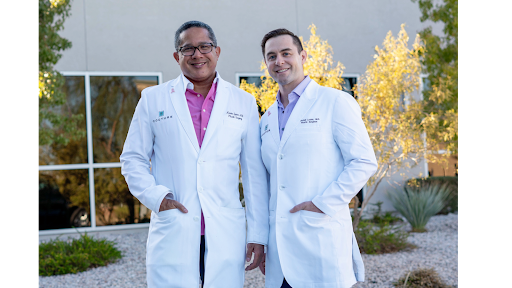
Couture Dermatology’s clinicians have specialised training and extensive experience managing complex acne. Our team stays current with advancements to offer evidence‑based treatments and attentive care.
Personalised care considers your skin type, medical history and treatment response so clinicians can adjust therapies for better tolerance and improved results over time.
An FAQ helps answer common concerns and clarify what to expect, reducing uncertainty and supporting informed decisions about your care.
Mild effects such as redness, swelling or increased sensitivity can occur after laser or peel treatments; these are usually short‑lived and resolve within a few days. If symptoms persist or worsen, contact your dermatologist for guidance.
Booking is simple: call (702) 998-9001 or visit the Couture Medical website to schedule a consultation for personalised acne care.
Adopt a balanced diet rich in fruits, vegetables and omega‑3s, and limit processed sugars and, if applicable, dairy. Use a gentle, non‑comedogenic skincare routine and incorporate stress‑reducing activities such as yoga or meditation to help manage hormone‑related triggers.
The appropriate treatment depends on your skin type, acne severity and personal preferences. A dermatologist will review your history and exam findings to recommend a tailored plan that balances effectiveness with safety.
Left untreated, acne can cause lasting scarring, pigment changes and, in some cases, secondary skin infections. Psychological impacts such as reduced self‑esteem and anxiety are also possible, so timely treatment is advisable.
Hormonal therapies—commonly used in women—can reduce acne driven by endocrine factors. Combined oral contraceptives and anti‑androgen medications lower sebum production and can be effective when chosen based on your clinical profile.
Follow‑up frequency depends on the chosen therapy and your skin’s response; appointments every 4–8 weeks are typical to monitor progress and adjust treatment as needed.
Yes. Stress increases cortisol, which can raise oil production and contribute to breakouts. Managing stress through exercise, mindfulness and adequate sleep forms an important part of acne control.
Post‑procedure care usually includes limiting sun exposure, using gentle cleansers and moisturisers, staying hydrated and following any specific instructions from your provider to support healing and maintain results.
Knowing the range of acne treatments available in Las Vegas helps you choose a path to clearer, healthier skin. With personalised dermatological care, evidence‑based topical and systemic options, and appropriate procedures, you can achieve improved appearance and greater confidence. Contact a qualified dermatologist to begin a treatment plan tailored to your needs.