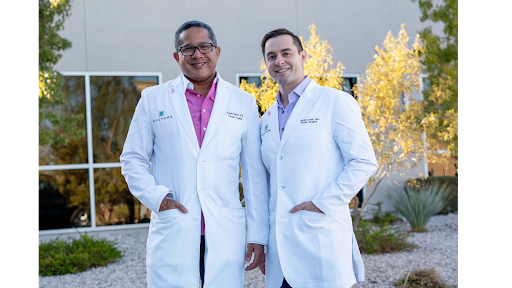
By Dr. Marvin Spann, board-certified plastic surgeon | October 28, 2026
A board-certified plastic surgeon is usually a surgeon certified by the American Board of Plastic Surgery (ABPS). That certification requires at least six years of surgical residency training, including at least three years devoted entirely to plastic surgery, plus passing written and oral exams that cover cosmetic and reconstructive surgery of the entire body. "Cosmetic surgeon," on the other hand, is not a recognized medical specialty. Any licensed physician can use the title, and training varies widely. That doesn't make every cosmetic surgeon unqualified, but it does mean you should ask exactly what training a surgeon has and which board certified them.
This guide from board-certified plastic surgeon Dr. Marvin Spann of Couture Dermatology & Plastic Surgery in Las Vegas explains what these titles mean and how to check any surgeon's credentials yourself in a few minutes.
Board certification is a voluntary credential that goes beyond the minimum required for a medical license. In plastic surgery, the certifying board is the American Board of Plastic Surgery. According to the ABPS, a certified plastic surgeon has:
Graduated from an accredited medical school
Completed at least six years of surgical residency in an accredited program, with training across all areas of surgery and at least three years dedicated entirely to plastic surgery
Passed comprehensive written and oral examinations covering the full spectrum of plastic surgery, including cosmetic, reconstructive, craniofacial, and hand surgery, on every part of the body
Certification also has to be maintained. The ABPS notes that certificates issued since 1995 are valid for 10 years, and surgeons must meet ongoing continuous certification requirements to renew them.
The ABPS is one of the 24 member boards of the American Board of Medical Specialties (ABMS), the organization that oversees physician specialty certification in the United States. That is a meaningful distinction, as the next section explains.
"Cosmetic surgeon" describes the type of procedures a doctor performs, not a specific training path. None of the 24 ABMS member boards is a cosmetic surgery board. A physician who calls themselves a cosmetic surgeon might be:
A plastic surgeon certified by the ABPS who focuses on cosmetic procedures
A physician certified by an ABMS board in another specialty, such as dermatology, otolaryngology (ear, nose, and throat), or ophthalmology, who performs cosmetic procedures related to that specialty
A physician certified by a board outside the ABMS system
A physician with a medical license but no specialty board certification in surgery
Some boards outside the ABMS certify physicians in cosmetic surgery. The ABPS recommends that patients compare the training and testing requirements of other boards with its own to make an informed decision. The key takeaway is simple: the title alone doesn't tell you what training stands behind it.
"Board-certified" on its own is incomplete. The better question is: certified by which board, and does that training cover the procedure I want?
Physicians certified in other ABMS specialties often have deep expertise within their area. The ABPS FAQ gives examples: dermatology training can include laser procedures of the skin, otolaryngology training covers plastic surgery of the head and neck, and ophthalmologists with an oculoplastic fellowship train in procedures around the eyes. The ABPS suggests asking any physician how their training prepared them for the specific surgery you're considering.
This is also how care is organized at Couture. Board-certified dermatologist Dr. Candace Thornton Spann, certified by the American Board of Dermatology, leads skin care, skin cancer treatment, and nonsurgical treatments. Board-certified plastic surgeon Dr. Marvin Spann, certified by the American Board of Plastic Surgery, leads surgical care of the face, breast, and body. Each specialty handles the work it is trained for.
You may also see a surgeon described as "board-eligible." This generally means the surgeon has completed the required residency training and is working through the board's examination process, but has not yet been certified. Many excellent surgeons are board-eligible early in their careers, since the examination process takes time after residency.
What matters is that the description is accurate. A board-eligible surgeon should not be described as board-certified. The ABPS verification tool, described below, lists surgeons who have completed certification.
A medical license and board certification are different things. According to the ABPS, a license is required to practice medicine, while certification is a voluntary, additional credential. A licensed physician can legally perform plastic surgery without being certified by the ABPS. That is why checking both matters.
You don't have to take anyone's word for it, including ours. Here is how to check any surgeon in a few minutes:
Check board certification. Search the surgeon's name on the ABPS "Is your surgeon certified?" verification page. It shows whether the surgeon is certified and whether they participate in continuous certification. For other specialties, the ABMS offers a directory of certified physicians.
Check the medical license. In Nevada, the Nevada State Board of Medical Examiners lets you confirm a physician's license status and review any public disciplinary actions. If your surgeon practices in another state, check that state's medical board.
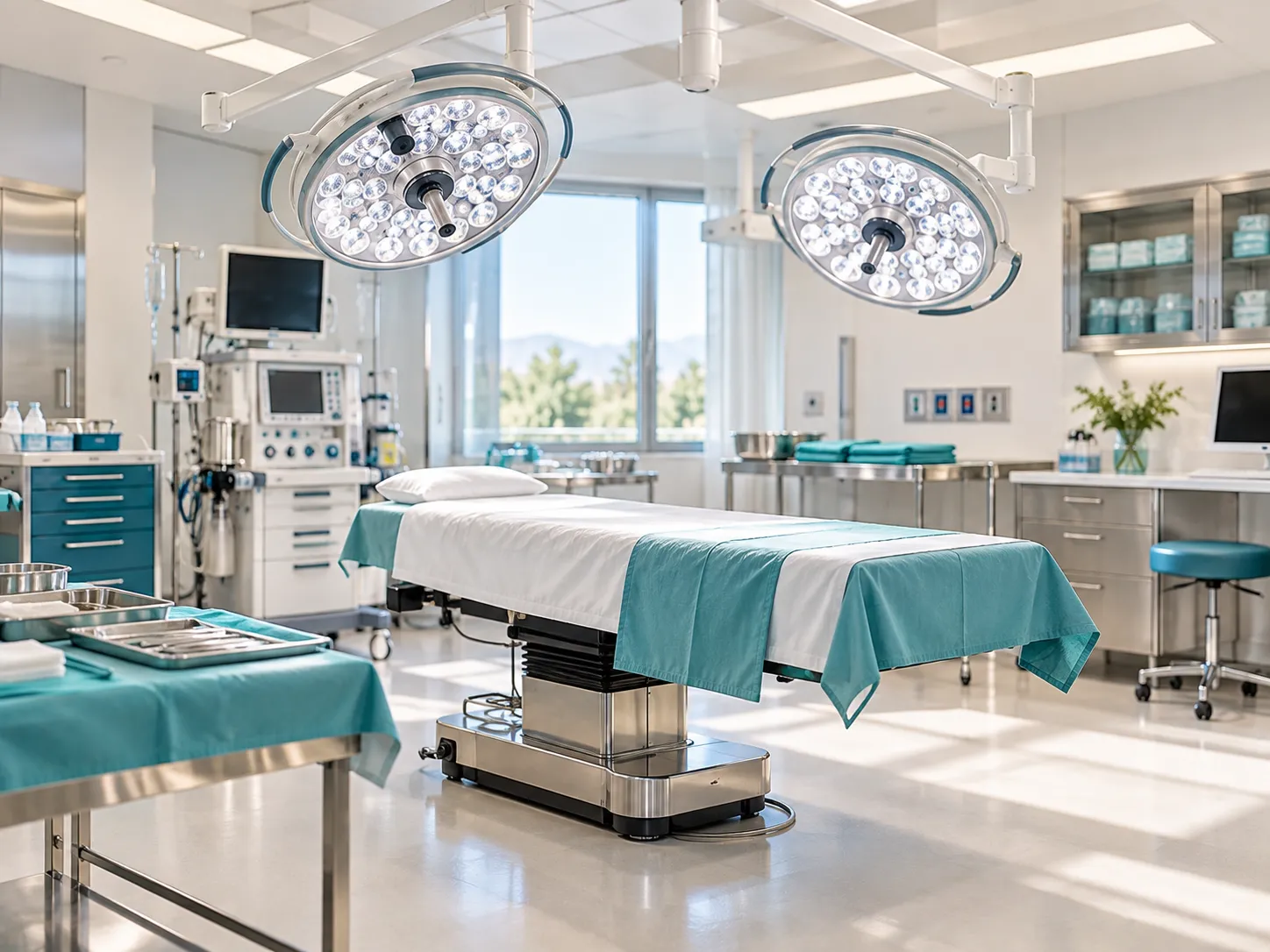
Ask where the surgery will take place. Ask whether the procedure will be performed in a hospital or an accredited surgical facility, whether the surgeon has hospital privileges to perform that procedure, and who will provide your anesthesia. The American Society of Plastic Surgeons' patient safety guide covers facility accreditation and other safety questions in more detail.
One more distinction worth knowing: a certification board and a professional society are not the same thing. The ABPS certifies surgeons through training verification and examinations. Societies are membership organizations with their own requirements.
Which board certified you, and in what specialty?
How many years of your training were dedicated to plastic surgery?
How often do you perform the procedure I'm considering?
Where will my surgery be performed, and is that facility accredited?
Do you have hospital privileges for this procedure?
Who will administer my anesthesia, and what are their credentials?
Who will handle my follow-up care, and how do I reach the practice if I have a concern after surgery?
A confident, qualified surgeon welcomes these questions. For a broader list covering results, risks, and recovery, see our guide to choosing a plastic surgeon in Las Vegas.
A provider says they are "board-certified" but won't name the board
You can't find the surgeon on the certifying board's verification tool
The procedure you want falls outside the surgeon's specialty training
You feel pressured to book or pay before your questions are answered
The practice can't tell you where the surgery will be performed or who will provide anesthesia
Las Vegas draws patients from across the country, and many plan surgery around a trip. If you are traveling for a procedure, verify credentials before you book travel, and ask how follow-up visits and any concerns after you return home will be handled. Couture's office and travel information can help you plan.
Credentials are the starting point for choosing a surgeon, not the only factor. Once you've confirmed a surgeon's training, a consultation is where you decide whether their approach, communication, and recommendations feel right for you.
Dr. Marvin Spann is certified by the American Board of Plastic Surgery, and we encourage you to verify that on the ABPS website yourself. When you're ready, schedule a consultation with Dr. Marvin Spann at Couture Dermatology & Plastic Surgery, or explore our plastic surgery procedures for the face, breast, and body. You can also meet the full team on our clinicians page.
Is a cosmetic surgeon the same as a plastic surgeon? Not necessarily. "Plastic surgeon" usually refers to a surgeon trained and certified in plastic surgery, which includes both cosmetic and reconstructive surgery. "Cosmetic surgeon" describes the type of procedures a doctor performs and is not tied to one training path or ABMS board.
How do I know if my plastic surgeon is board-certified? Search the surgeon's name on the American Board of Plastic Surgery's verification page. You can also confirm their medical license with your state medical board, which in Nevada is the Nevada State Board of Medical Examiners.
Can a doctor who isn't board-certified legally perform plastic surgery? Yes. A licensed physician can legally perform plastic surgery without ABPS certification. Board certification is a voluntary credential that shows a surgeon completed specific training and passed the board's exams.
What does board-eligible mean? It generally means a surgeon has completed the required residency training and is in the process of taking the board's examinations but has not yet been certified.
Dr. Marvin Spann is a plastic surgeon certified by the American Board of Plastic Surgery, specializing in cosmetic and reconstructive surgery of the face, breast, and body. After undergraduate studies at UCLA, where he conducted neurobiology research, he earned his medical degree at Meharry Medical College in 2000. He completed his general surgery residency at New York Hospital Queens, including a two-year plastic surgery research fellowship at New York Presbyterian-Weill Cornell, followed by plastic surgery residency at the University of Utah, graduating in 2009. He has published research in medical and surgical journals and presented at national plastic surgery conferences. In 2012, he co-founded Couture Dermatology & Plastic Surgery in Las Vegas with his wife, board-certified dermatologist Dr. Candace Thornton Spann. His patients know him for thorough consultations, honest evaluations, and straightforward recommendations.
Read Dr. Marvin Spann's full bio
This article is for general education and is not medical advice. Results vary, and every procedure carries risks. A consultation with a board-certified plastic surgeon is the best way to learn which options are right for you.