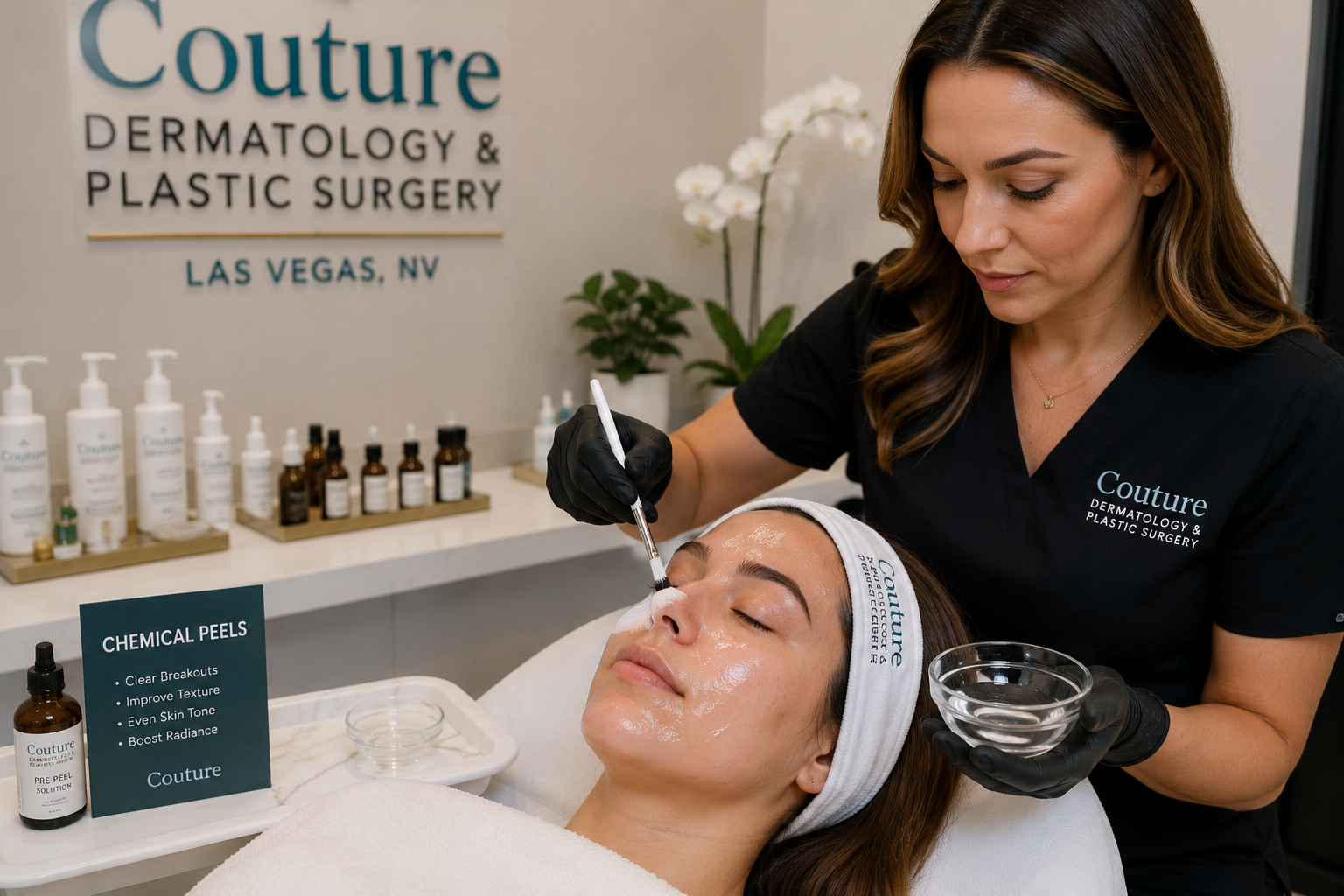
Chemical peels are an effective clinical option for managing acne and improving overall skin health. At Couture Dermatology in Las Vegas, our clinicians select peels based on your skin type and acne severity to deliver natural-looking results. This guide explains peel types, expected outcomes, safety considerations, and post-procedure care so you can decide with confidence which approach best supports clearer, healthier skin.
Below we review how chemical peels work, the available peel depths, their clinical benefits, and how they compare with other acne treatments.
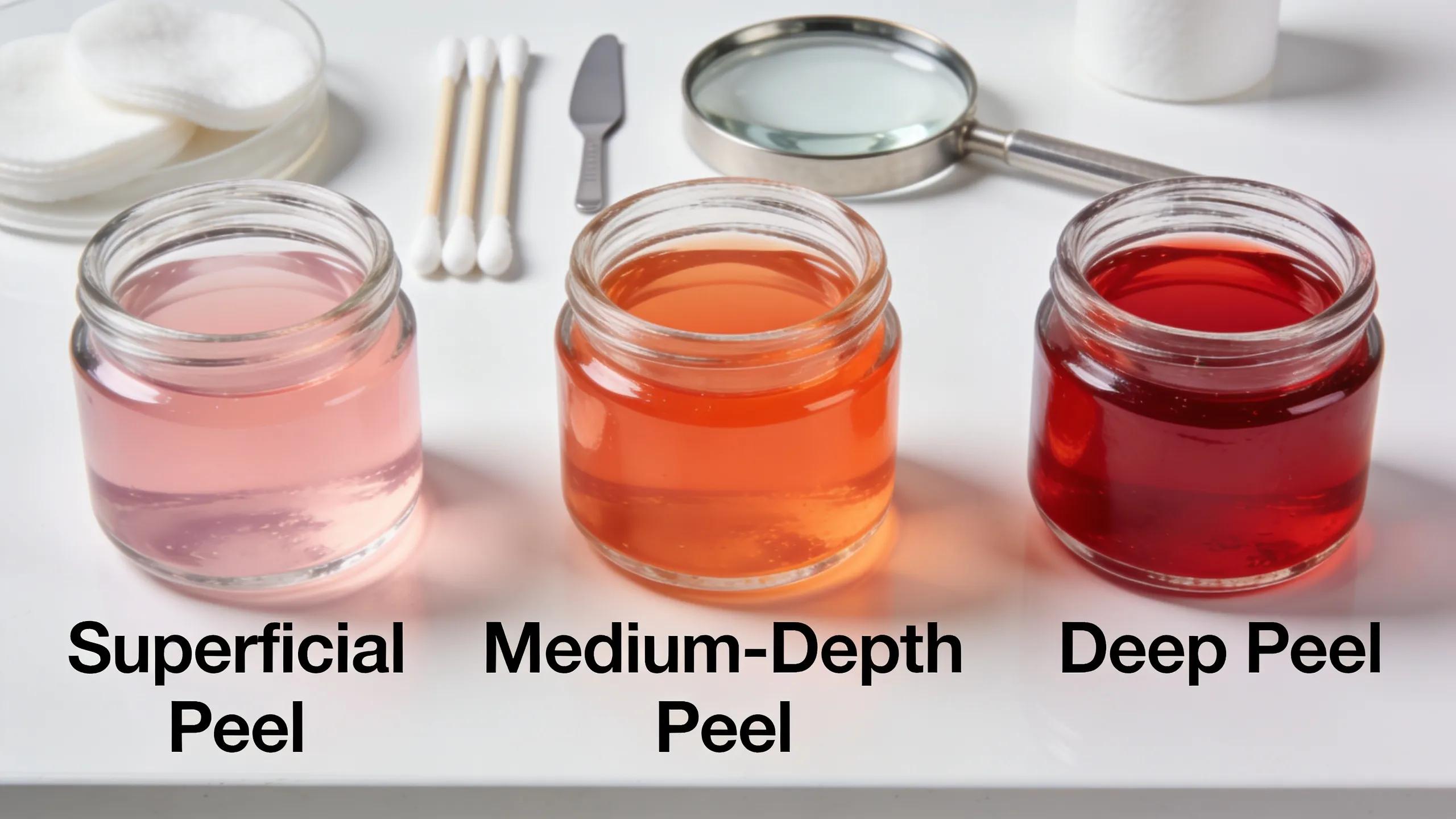
Chemical peels are classified by depth—superficial, medium-depth, and deep—each targeting different layers of the skin and specific acne-related concerns. The appropriate choice depends on your clinical presentation and treatment goals.
Superficial peels are the mildest option and commonly use alpha-hydroxy acids (AHAs) to gently remove the stratum corneum and accelerate epidermal turnover. They are well suited for mild acne, improving skin texture, and require minimal downtime, allowing you to return to daily activities quickly.
Alpha-Hydroxy Acid Peels for Acne Management and Dermal Health Improvement
Alpha-hydroxy acid (AHA) peels and home-based regimens have recently gained recognition as significant adjunctive therapies for a range of dermatological conditions, including photodamage, actinic damage, melasma, hyperpigmentation disorders, acne, and rosacea. Our collective experience, corroborated by existing literature, indicates a well-established safety profile and efficacy for AHAs across diverse skin types. While the precise mechanism of action remains to be fully elucidated, evidence demonstrates that AHAs ameliorate these conditions by inducing stratum corneum thinning, promoting epidermolysis, facilitating the dispersion of basal layer melanin, and augmenting dermal collagen synthesis.α-Hydroxy acid-based cosmetic procedures: Guidelines for patient management, 2000
Medium-depth peels typically use trichloroacetic acid (TCA) and penetrate beyond the epidermis to address moderate acne scarring and uneven tone. They produce more noticeable textural improvement than superficial peels; expect several days of redness and peeling before skin smooths and tone improves.
Salicylic Acid Versus Trichloroacetic Acid Peels for the Management of Mild to Moderate Acne
Both salicylic acid (SA) and trichloroacetic acid (TCA) demonstrate established efficacy and favorable safety profiles in the therapeutic management of acne vulgaris. The objective of this study was to compare the clinical efficacy and safety of 25% TCA and 30% SA peels in the treatment of mild and moderate acne vulgaris.Efficacy and safety of 25% trichloroacetic acid peel versus 30% salicylic acid peel in mild-to-moderate acne vulgaris: a comparative study, 2021
Deep peels, often phenol-based, are the most intensive option and can produce significant improvement in deep acne scarring. They require substantial downtime—typically two weeks or longer—and strict aftercare to support healing. Deep peels are reserved for persistent, severe concerns that have not responded to more conservative therapies. For pronounced scarring, consider discussing advanced acne scar removal treatments during your consultation.
Chemical peels treat acne by exfoliating the skin, clearing comedones, and reducing inflammation through enhanced epidermal turnover. By removing excess keratin and sebum from pores, peels decrease breakouts and, with repeated treatments, can reduce post-inflammatory scarring and improve overall texture.
This table summarizes how different peel depths act on skin layers and the relative clinical benefit, helping your clinician match treatment to your dermatological needs.

When performed appropriately, chemical peels can deliver clearer skin, reduced lesion count, improved texture, and a more even complexion. Outcomes vary with peel depth and individual skin response.
Most patients notice visible improvements within weeks, with full results depending on the peel used and your skin’s healing capacity.
Chemical peels offer several clinical advantages: they are non‑invasive outpatient procedures that address acne lesions and support skin renewal, often with less discomfort and recovery time than surgical options.
Understanding these benefits helps you weigh peels against other acne therapies. If you want to learn how collagen stimulation supports scar improvement, your clinician can explain the mechanisms during your visit.
At Couture Dermatology, we deliver personalised care matched to your skin type and concerns. A consultation lets us design a peel regimen that aligns with your goals and maximizes safety.
Chemical peels are safe when performed by experienced, credentialed clinicians. Key considerations include selecting the right peel for your skin type, reviewing medications and medical history, and planning appropriate pre- and post-procedure care to reduce complications.
Being informed about these factors allows you and your clinician to choose a safe, effective plan tailored to your skin.
Chemical peels carry potential side effects such as transient redness, peeling, and, less commonly, pigmentary changes. The risk profile varies with peel depth and individual skin type, which is why pre-treatment assessment is essential.
Discussing these risks openly with your dermatologist lets you weigh benefits against possible complications and agree on mitigation strategies before treatment.
Following a peel, prioritize gentle hydration, strict sun protection, and avoidance of irritant products. Proper aftercare supports healing, reduces the risk of pigment changes, and preserves results.
Adhering to post-procedure instructions and attending follow-up visits significantly improves healing and long-term outcomes.
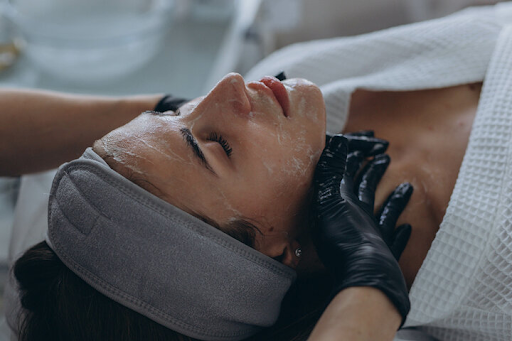
Chemical peels apply controlled chemical agents to remove damaged epidermal cells, accelerate epidermal turnover, and stimulate dermal remodelling. Active agents such as AHAs and trichloroacetic acid (TCA) clear comedones and reduce inflammation, which directly addresses key acne mechanisms.
The optimal peel depends on your acne severity and skin characteristics: superficial peels suit mild acne and maintenance, medium-depth peels treat more significant scarring and texture issues, and deep peels address severe scarring when conservative options are insufficient. A dermatologist at Couture Dermatology will recommend the most appropriate option after assessment.
Chemical peels can improve clarity, texture, and pigmentation while avoiding surgery. Safety hinges on proper patient selection, clinician expertise, and adherence to pre- and post-care instructions to minimize irritation and pigment changes.
Risks such as hyperpigmentation and irritation are possible but are minimized by careful assessment, customized peel selection, and experienced technique. Clear patient education and follow-up care further reduce complication rates.
Prepare by avoiding photosensitising agents and irritant topicals, and protect your skin from sun exposure. After the peel, focus on moisturising, sun protection, and following your clinician’s follow-up schedule to support healing and prevent complications.
Procedures such as laser resurfacing and microneedling can complement peels by targeting deeper dermal scarring and stimulating collagen remodelling, providing a more comprehensive approach to scar improvement.
Dermatologists may recommend combining treatments—dermal fillers for depressed scars, laser therapies for texture and pigment, and light-based modalities—to achieve optimal, customized results across scar types.
Couture Dermatology combines credentialed dermatologists and evidence-based protocols to deliver personalised, safety-first care. When you choose our clinic, you receive a thorough assessment and a treatment plan designed to meet your aesthetic and medical goals.
We create a welcoming environment where your concerns guide clinical decisions. Each treatment plan is individualised after a detailed skin evaluation to ensure comfort, safety, and effective outcomes aligned with your goals.
To schedule a consultation for a chemical peel, call Couture Dermatology at (702) 998-9001. Our team will answer your questions and help you arrange an appointment that fits your needs.
In your initial visit, a dermatologist will review your medical history, assess your skin, and discuss realistic goals. They will recommend suitable peel options, explain risks and aftercare, and outline a personalised plan so you understand each step.
Candidate suitability depends on your skin type, active conditions, and medical history. A licensed dermatologist at Couture Dermatology will evaluate sensitivities, prior treatments, and any contraindications—such as active infections or pregnancy—before recommending peel options tailored to you.
Before a peel, avoid retinoids, abrasive scrubs, and procedures that increase skin sensitivity. Minimize sun exposure and stop AHAs or BHAs at least one week prior unless your dermatologist advises otherwise. Follow personalised pre-peel instructions from your clinician for the safest outcome.
Session count varies with acne severity and treatment goals; many patients require 3–6 sessions for meaningful improvement. Your dermatologist will provide a tailored schedule based on your response and objectives.
Combining peels with microneedling or laser therapy can enhance results by addressing both surface and deeper dermal issues. Your dermatologist will assess your skin and advise on safe sequencing to reduce irritation and maximize benefit.
During consultation, you will discuss concerns and goals while the dermatologist examines your skin and medical history. They will outline recommended peel options, expected outcomes, risks, and aftercare so you can make an informed decision.
Longevity depends on peel depth and your skincare routine. Superficial peels often require maintenance sessions, while medium and deep peels deliver longer-lasting improvements. Consistent sun protection and follow-up care are key to sustaining results.
Chemical peels offer a non‑surgical pathway to clearer skin, improved texture, and more even tone when selected and performed appropriately. By choosing a peel matched to your skin and following a personalised plan at Couture Dermatology, you can achieve safer, natural-looking results. Contact us to schedule a consultation and begin your journey to healthier skin.